

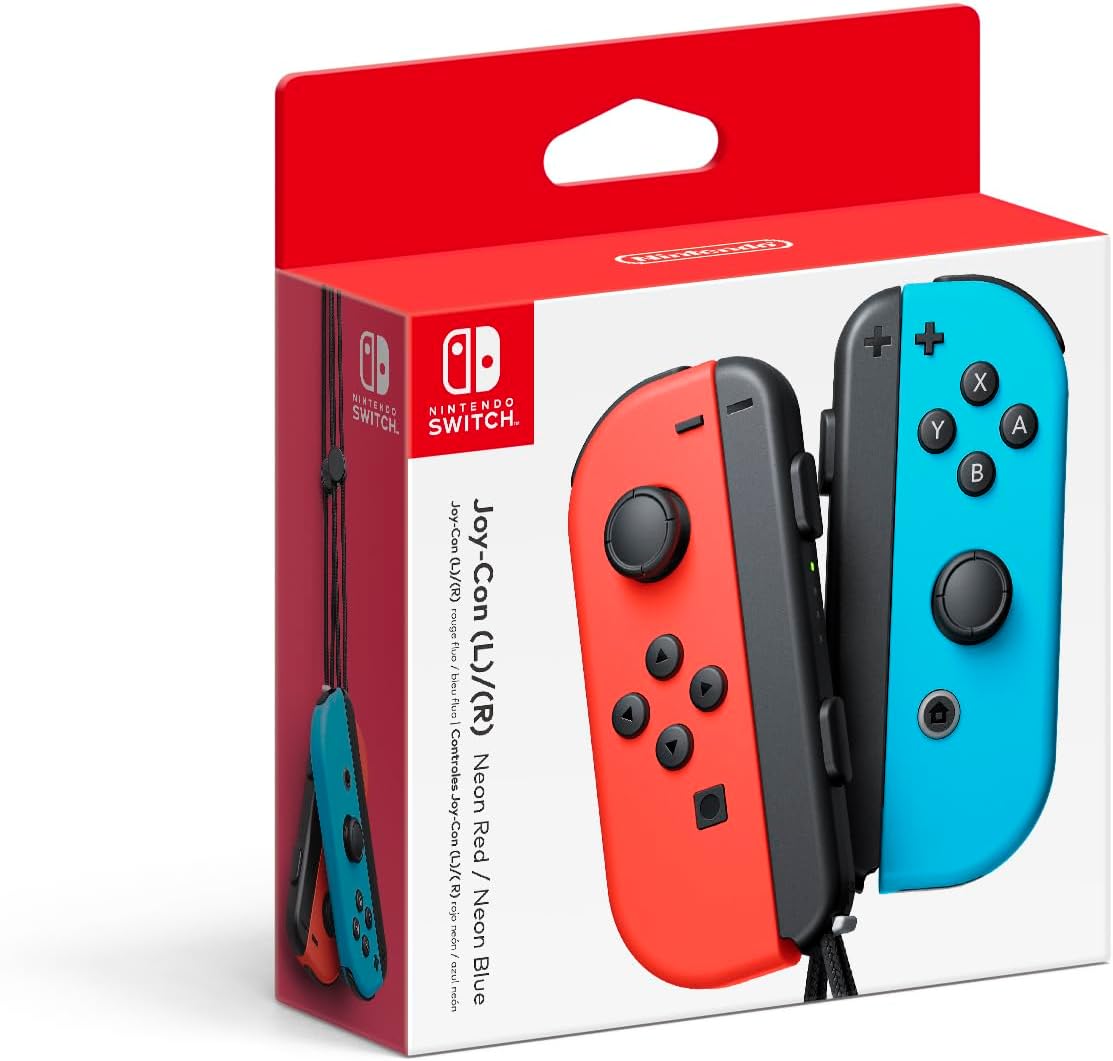
As someone who approaches gaming peripherals with a somewhat analytical mindset, I wanted to provide a detailed assessment of the Nintendo Switch Joy-Con pair. I've spent approximately 80 hours using these across various titles and scenarios to evaluate their performance comprehensively. The industrial design is clever, there's no denying that. The ability to function as a single controller, two separate controllers, or attach to the console is a remarkable feat of engineering. The rail mechanism is smooth and secure, and the release button is well-positioned to prevent accidental detachment. The IR motion camera on the right Joy-Con is an interesting addition, though its practical applications remain limited to a handful of games. The NFC reader for amiibo support works reliably and is conveniently placed on the analog stick. From a technical standpoint, the Bluetooth connectivity is generally stable with a range of approximately 25-30 feet in open conditions. Latency is acceptable for most games, measuring approximately 15-20ms in my informal testing, which is competitive with other wireless controllers in this class. The HD Rumble technology is genuinely impressive, offering nuanced haptic feedback that can simulate everything from the clinking of ice cubes to the sensation of water flowing. This is one area where Nintendo clearly leads the industry. However, from a materials science perspective, there are concerns. The plastic housing shows signs of wear more quickly than I would expect from a premium-priced accessory. The analog stick mechanism, in particular, appears to use a design that is susceptible to particulate ingress, which likely contributes to the well-documented drift issue. The conductive pads under the buttons are adequate but not exceptional, and I anticipate they may need replacement after extended use. The ergonomic assessment is mixed. For users with smaller hands, the form factor is quite comfortable. For those with average to large hands, extended use may cause discomfort. The lack of textured grip surfaces is a notable omission, especially given the price point. The button layout is logical and the actuation force is well-calibrated, though the shoulder buttons could benefit from a more pronounced tactile response. In conclusion, the Joy-Con represents a triumph of design innovation tempered by practical compromises. It is a product that excels in versatility and creativity but falls short in durability and ergonomic inclusivity. I recommend it with the caveat that potential buyers should be aware of the longevity concerns and consider purchasing an extended warranty or protection plan.
Recommended